myLoop - Automated insulin delivery on the YpsoPump from your smartphone
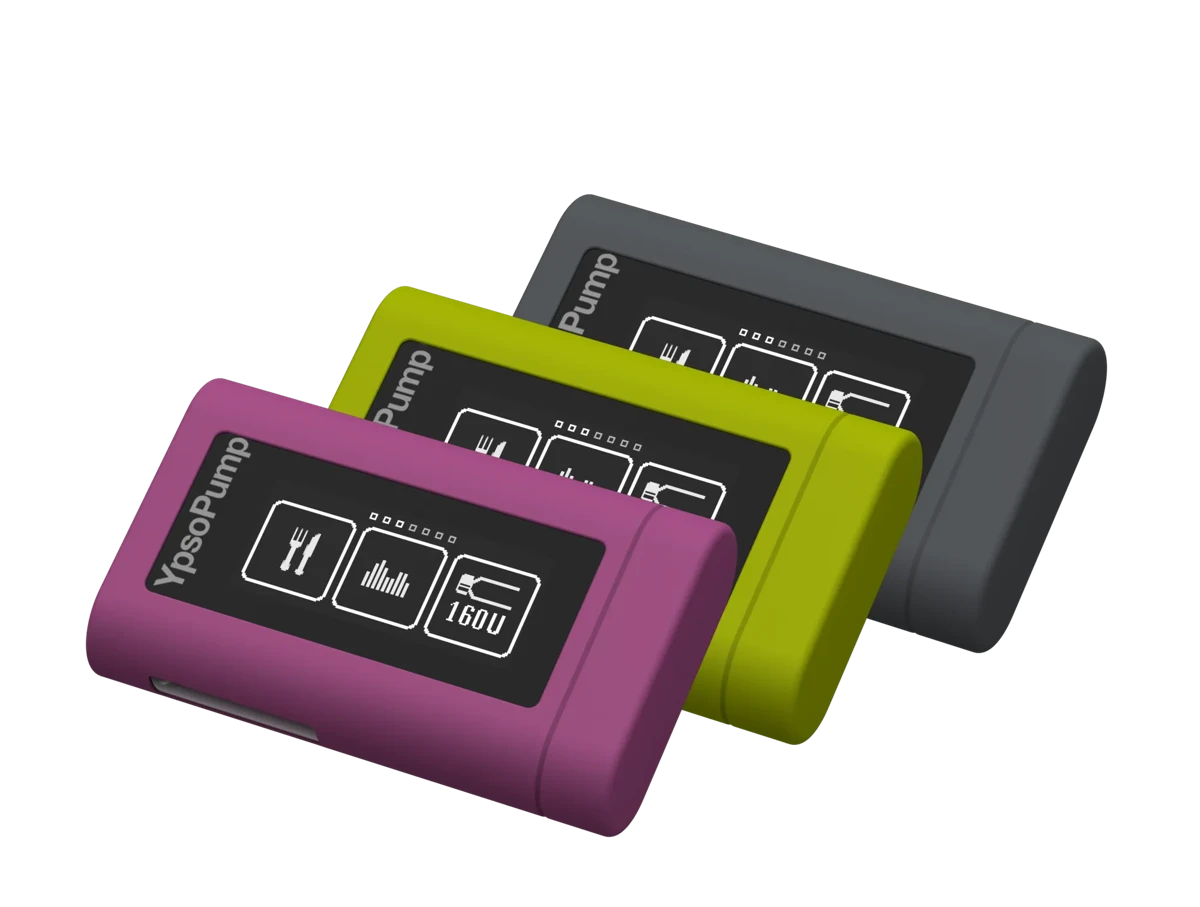
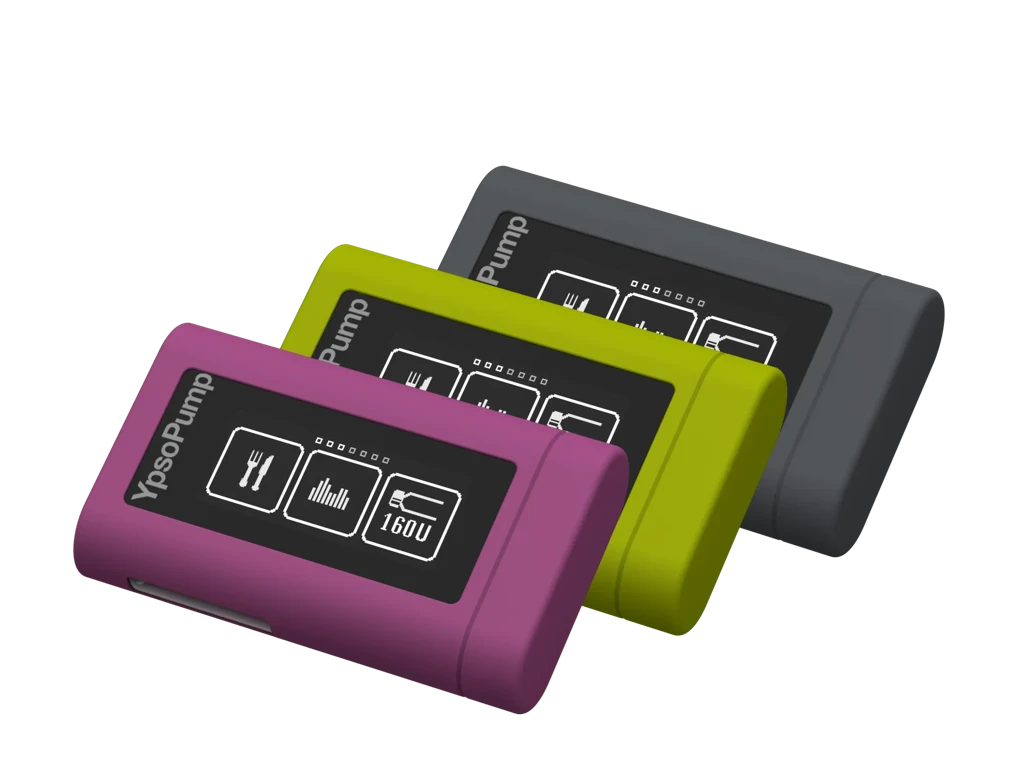
YpsoPump insulin pump
The intuitive¹ insulin pump system
Your easy-to-learn¹ insulin pump system
Elisabeth and the YpsoPump
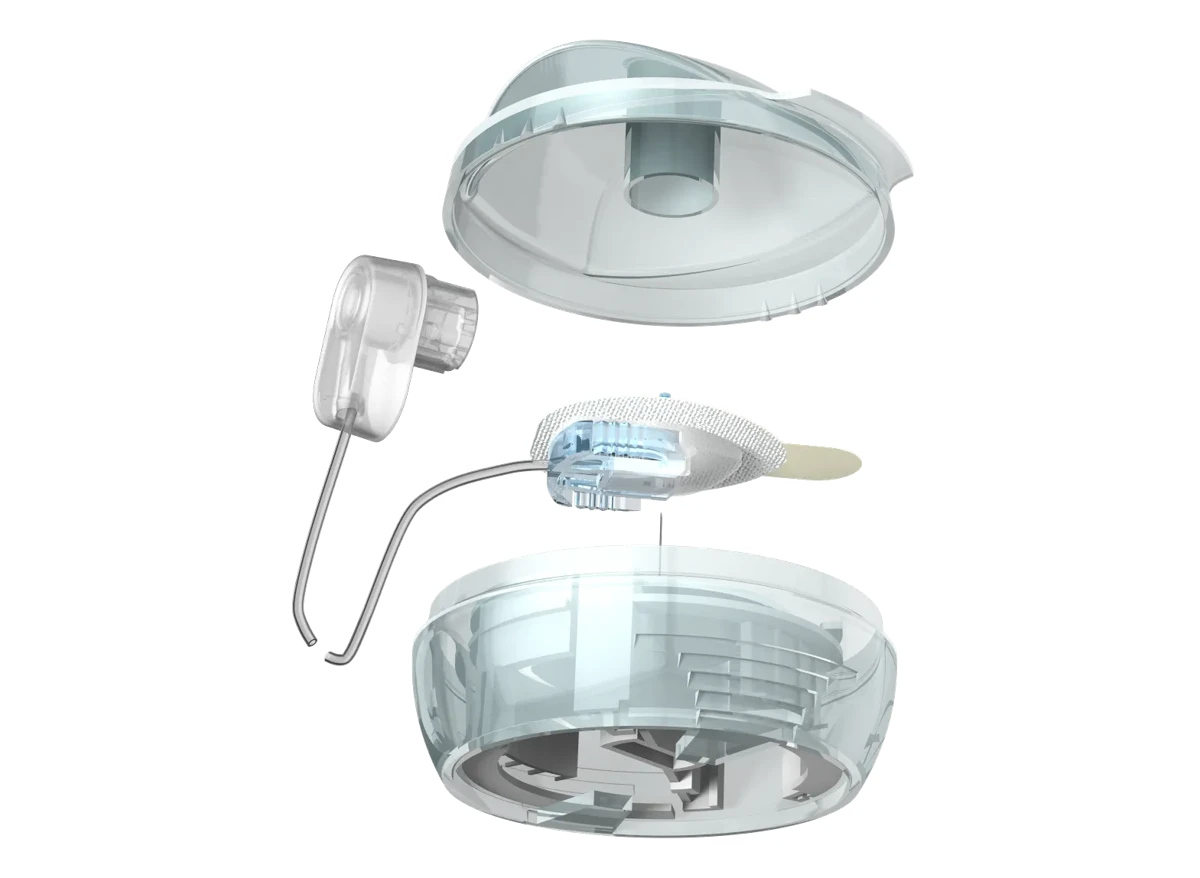
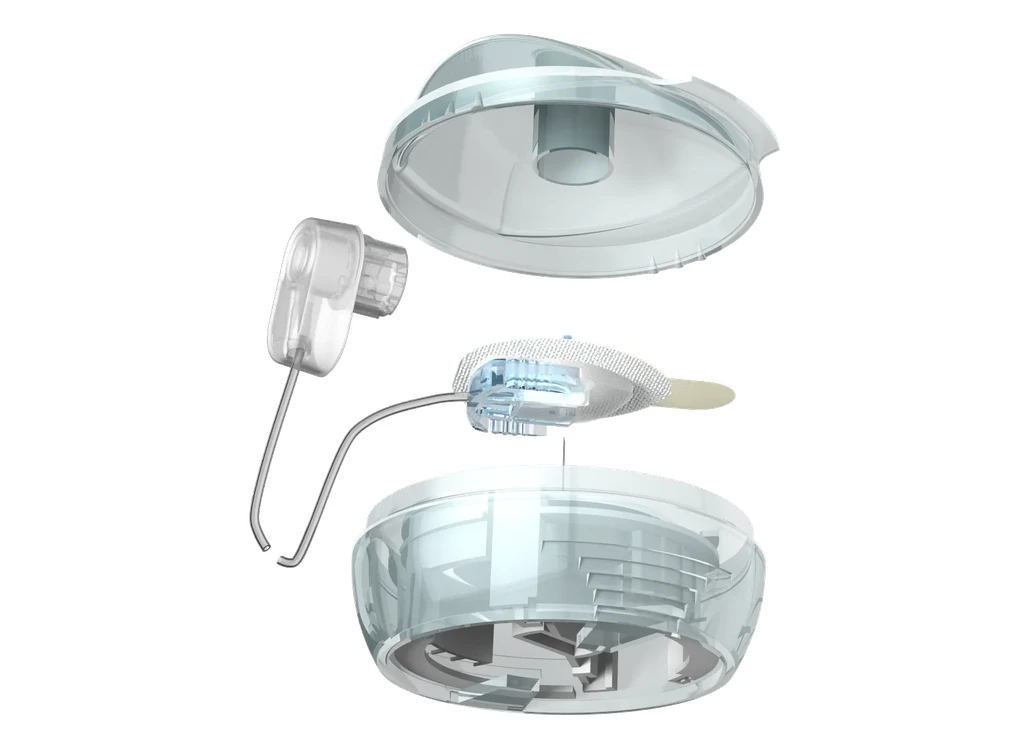
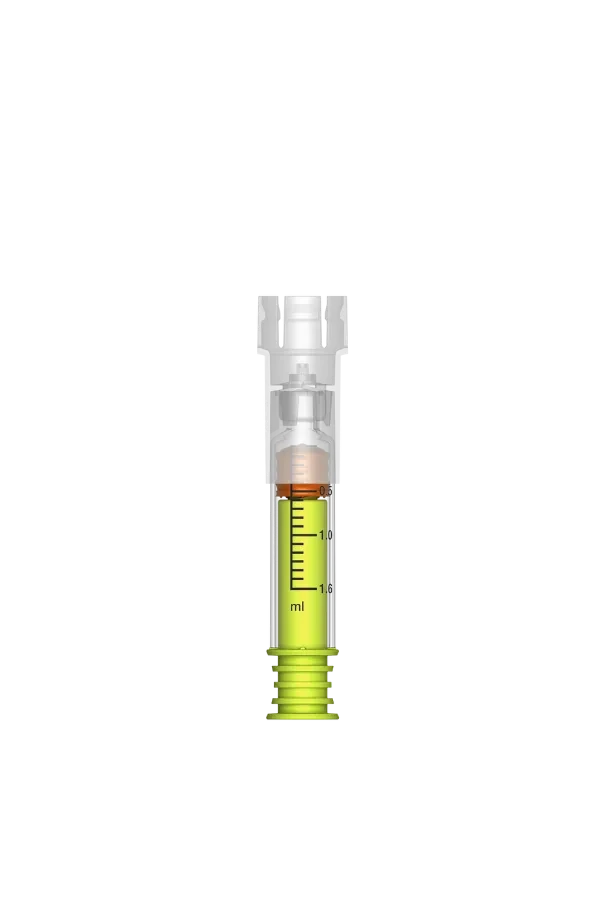
Cartridge features at a glance
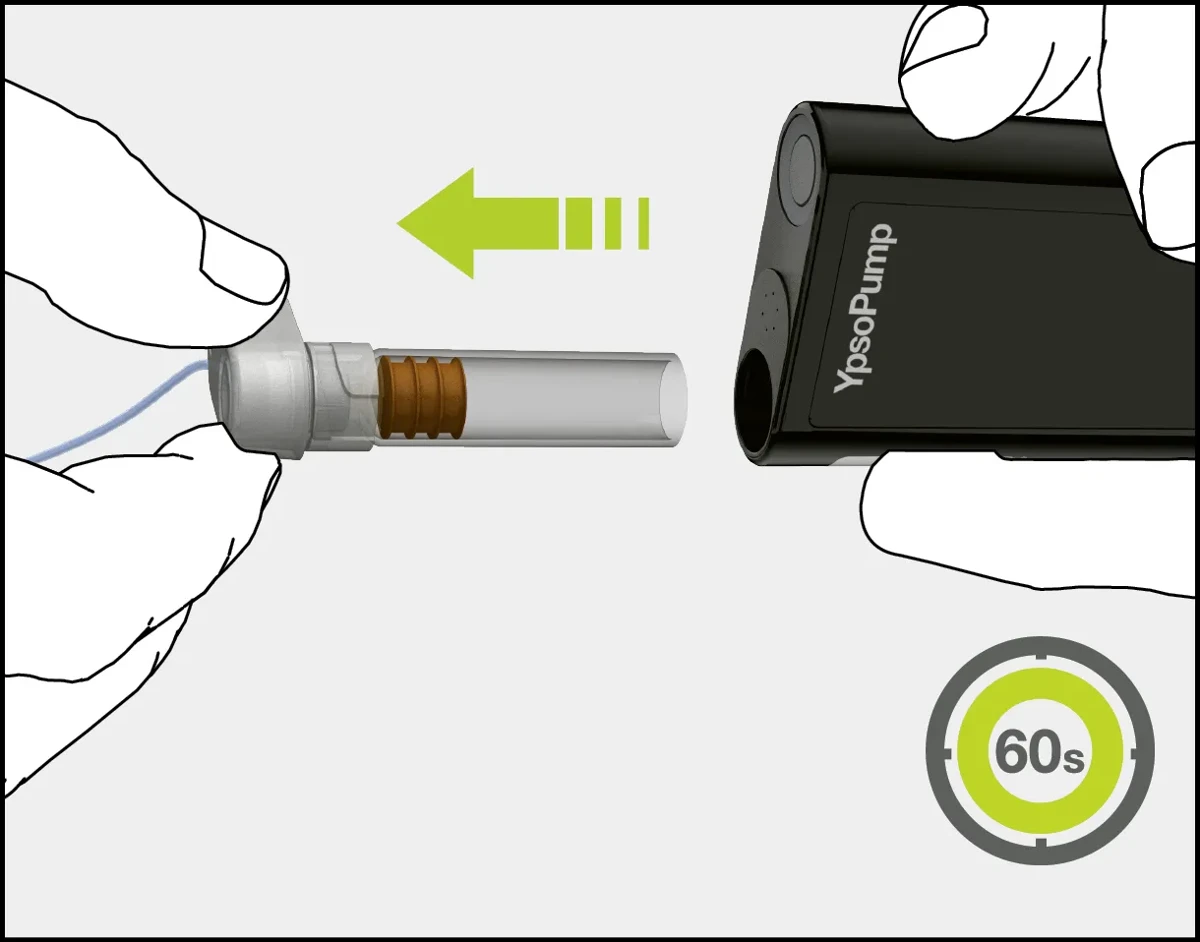
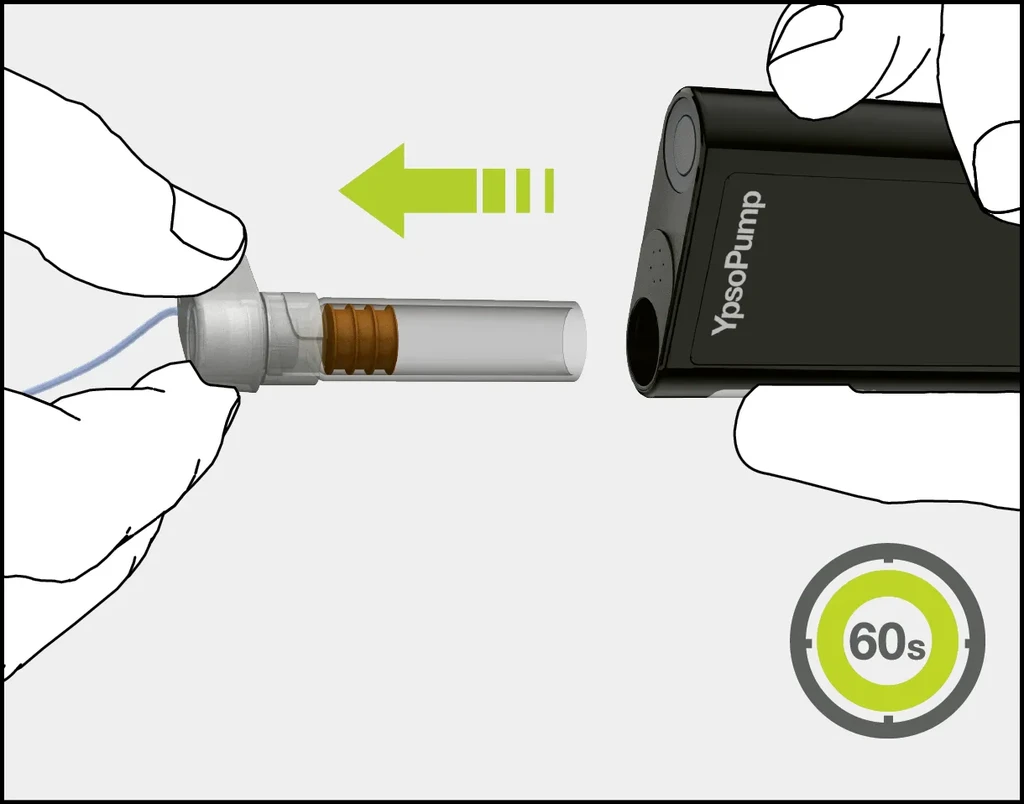
Cartridge change
YpsoPump Explorer app
1 / 0
The YpsoPump insulin pump can be used in an adaptive automated insulin delivery system, which learns and adjusts according to your needs, when combined with the CamAPS FX app.** This feature requires the YpsoPump software version V05.00.52 or higher and a connected Dexcom G7 or Freestyle Libre 3 / Libre 3 Plus sensor.
Product specifications
Pump dimensions
7.8 × 4.6 × 1.6 cm
Weight
83 g (including battery and filled cartridge)
Touchscreen dimensions
4.1 × 1.6 cm OLED touchscreen
Bolus types
Standard, extended, combination and blind bolus. Stacked bolus possible.
Bolus setting range
0.1 U to 30.0 U
Basal rate increments
0.1 U, 0.5 U, 1.0 U and 2.0 U
Basal rate
2 profiles (A and B), freely programmable by the user. Temporary basal rate available.
Basal rate setting range
0.00 U/h to 40.0 U/h
Basal rate increments
Range 0.02 U/h to 1.00 U/h: 0.01 U/h Range 1.00 U/h to 2.00 U/h: 0.02 U/h Range 2.00 U/h to 15.0 U/h: 0.1 U/h Range 15.0 U/h to 40.0 U/h: 0.5 U/h
Battery
1.5 V alkaline battery (LR03), size AAA. Service life typically 30 days of average use (54 U/day; temperature 23 °C ± 2 °C) with activated Bluetooth® function.
Water protection classification
IPX8 according to EN 60529 (immersion to a depth of 1 m for up to 60 minutes).
Communication interface
Bluetooth® 4.0 Low Energy 2 400 to 2 483.5 MHz
Self-filled myPump+ Reservoir
1.6 ml (160 U) 100 U/ml, rapid-acting insulin analogue. For information on compatible insulins visit: myPump+ Reservoir
Insulin pumps and Automated Insulin Delivery (AID) systems can greatly improve glucose management but do not eliminate the risk of diabetic ketoacidosis (DKA). Because these systems use only rapid-acting insulin, any interruption in insulin delivery (e.g. infusion set failure, pump occlusion, empty reservoir, or device malfunction) can rapidly lead to ketosis and DKA - even if glucose readings are not very high. DKA is a serious and potentially life-threatening condition.
If you feel unwell, have persistent high glucose levels or detect positive ketones, please immediately contact your diabetes team and follow their advice. Do not rely solely on the AID system to correct high glucose or clear the ketones. Always check that insulin is being delivered and use your backup insulin method (e.g. insulin injections or insulin pens), if needed.
Medical advice can only be provided by healthcare professionals. The information contained in this material is intended for general educational purposes and should not be interpreted as medical advice or used as a substitute for consultation with a qualified healthcare professional.








:quality(90)/)
:quality(80))